On Jeju's many stone paths, the ankle is the body part most often injured—and most often brushed off as 'fine'.
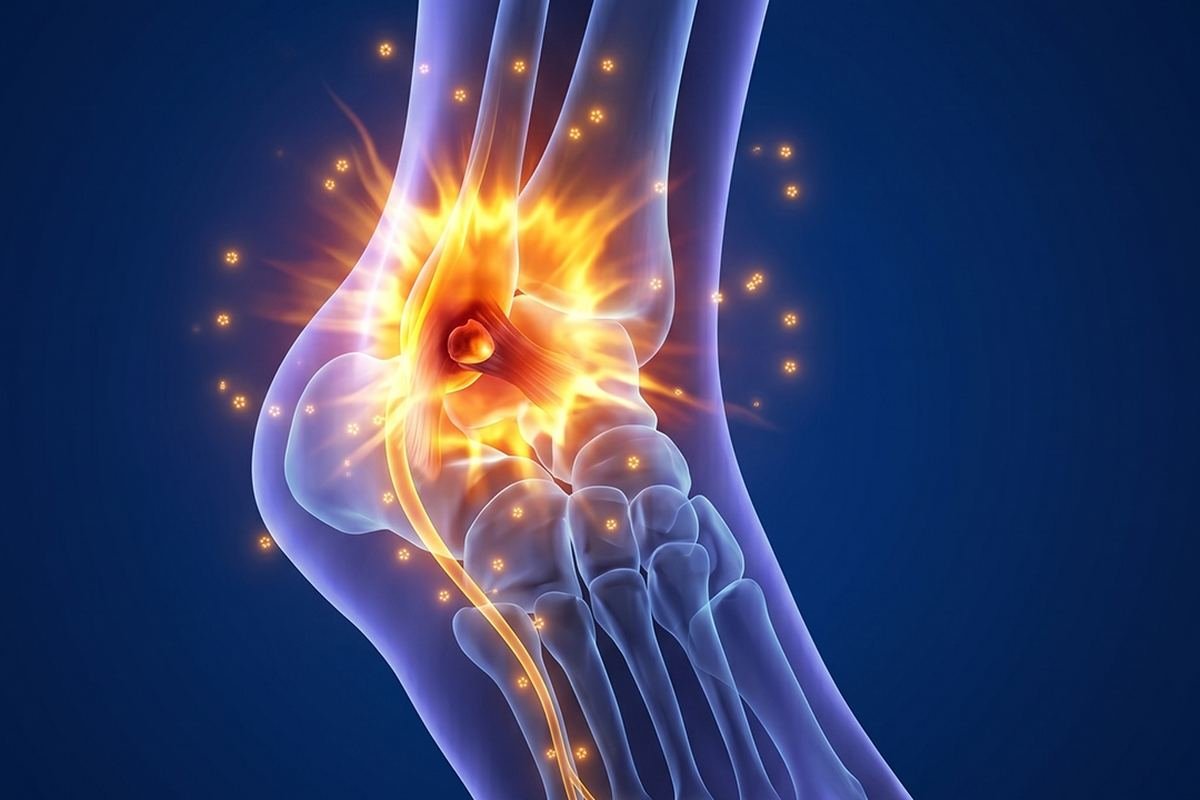
Jeju's paths mix basalt stone, dirt trails, and the steep steps of the oreum, so twisted ankles are common. If you brush it off because you can still walk, the ligament heals loose and the same ankle keeps getting sprained.
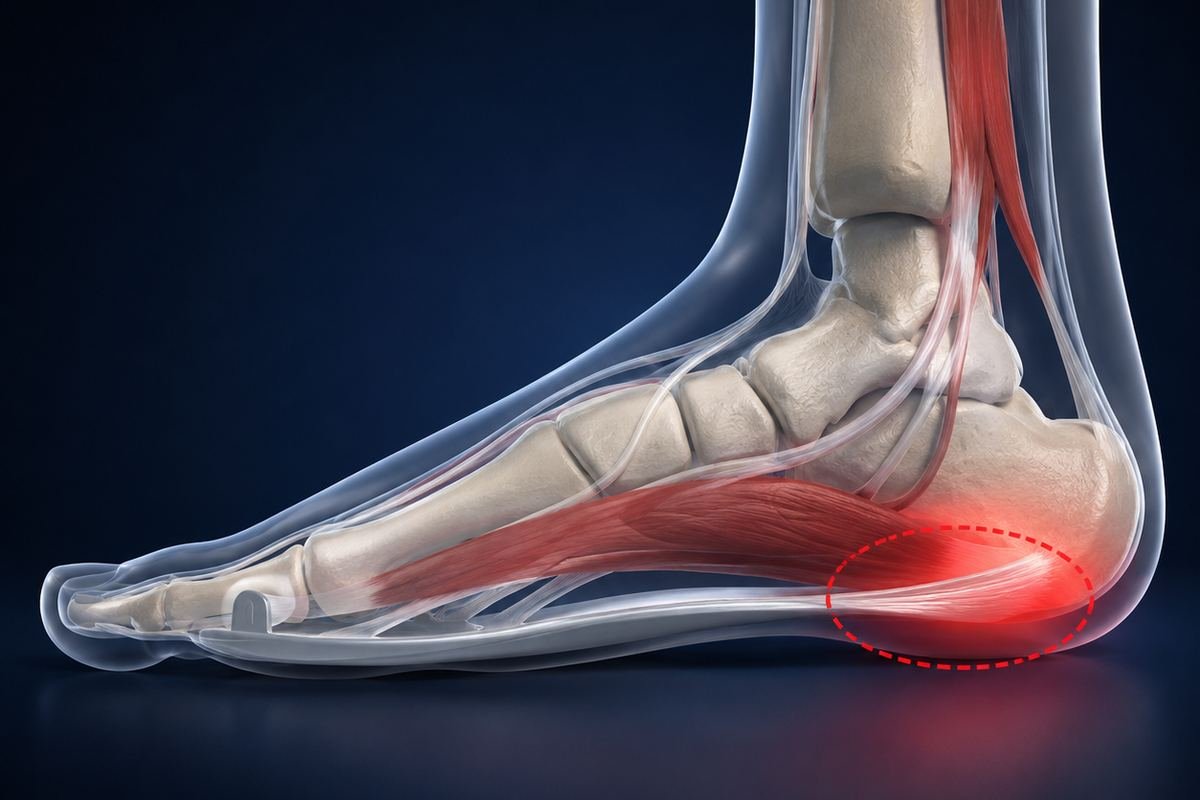
Heel pain with the first steps in the morning is most often plantar fasciitis, but it must be distinguished from heel fat pad, Achilles tendon, and nerve problems. Jeju Team Doctor Orthopedic Clinic checks the ligaments and fascia with ultrasound the same day and measures how you walk at our Gait Analysis Center to find the cause of recurrence.
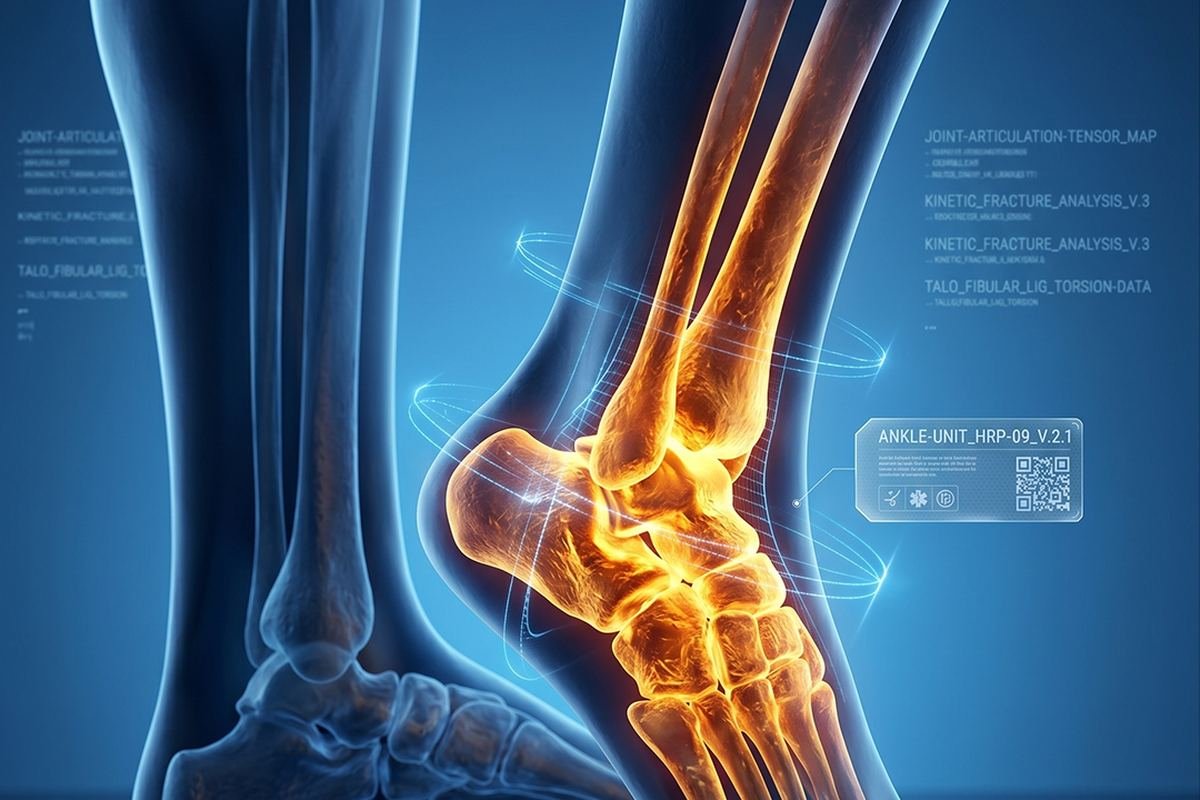
With the foot, 'where does it hurt when pressed' is almost always the answer. For ankles injured on Jeju's stone paths, we first press in front of the outer ankle bone.
Checking only 'is it broken' misses half the picture. We also look at how badly the ligament is injured and how loose the ankle has become.
With ankles, it all comes down to 'how long you rest and when you start moving.' Rest too long or use it too soon, and you get hurt again.
The benchmark for returning to activity is 'balance,' not pain.
The ankle is the part athletes injure most often, and it is also the part they most often say is 'fine.' Being able to walk is not the same as the ligament having healed. Jeju's rocky trails reveal that difference quickly.
A guide to pain by body area from Jeju Team Doctor Orthopedic Clinic. View all conditions
Ankle trouble comes less from one major injury than from a pile-up of small sprains that 'sort of' healed. Jeju Team Doctor Orthopedic Clinic measures ligament condition and balance in numbers, aiming for an ankle that will not roll again even on rocky trails.
If you are in Jeju with a rolled ankle or heel pain, just tell us when it happened and how many times before. That is where the plan starts.
This page is intended to provide general medical information. Individual diagnoses and treatment methods are determined after an examination. Treatment outcomes and recovery times may vary from person to person.